


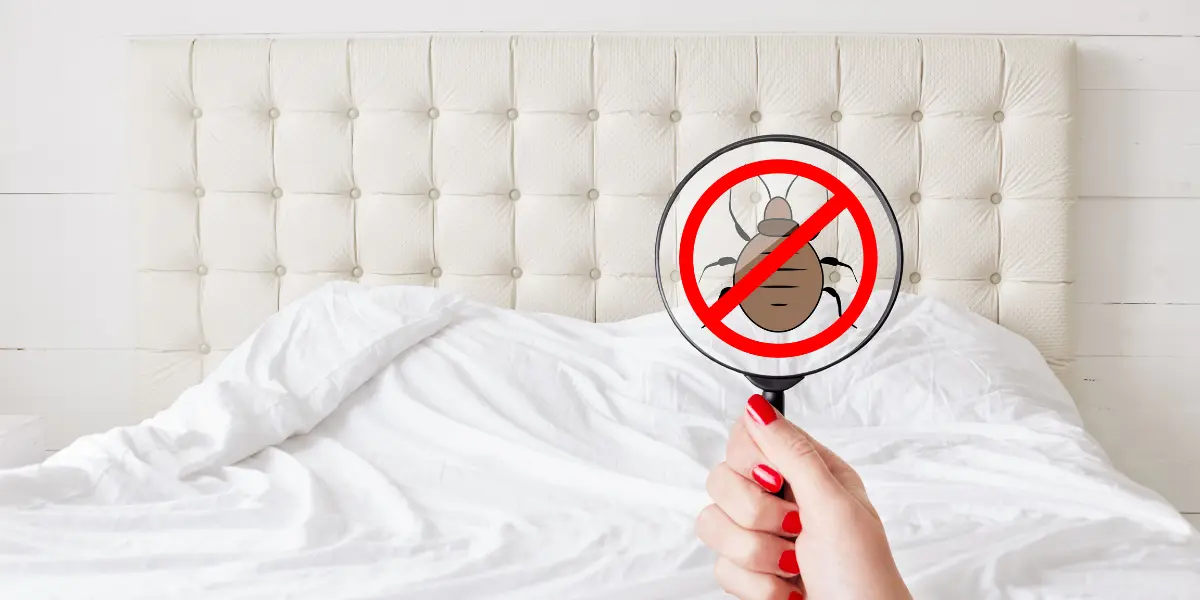
Bed bug traps are commonly used by homeowners who want to confirm whether bed bugs are present before the problem becomes severe. They are also meant to assist in detection and monitoring, and not eradication, so they are particularly valuable in the initial phases of an infestation. Understanding how bed bug traps work, where to place them, and what results to expect can help avoid frustration and false assumptions.
What Are Bed Bug Traps
These are devices created to capture or detect bed bugs as they move through an area. Unlike sprays or treatments, bed bug traps do not actively kill infestations or stop bed bugs from reproducing. They serve mainly to give physical support to the fact that bed bugs exist in a place.
The traps are mostly based on the movement direction of bed bugs. Bed bugs do not fly or jump; therefore, traps are used to trap the bugs on their way to and from their hiding places and a host that is asleep. There are traps made by textured surfaces that enable the bed bugs to climb inside, and also those made by adhesive materials or enclosed wells, which cannot be escaped when the insect gets in.
A trap is a type of monitoring tool that is usually applied for a couple of days or weeks in order to accumulate evidence and not immediate outcomes due to the fact that bed bugs are nocturnal creatures, very good at hiding.
Types of Bed Bug Traps
Interceptor traps are one of the most commonly used bed bug traps. These are normally installed beneath the bed and furniture feet. Bed bugs are unable to climb down or up, as they fall into an inner well and cannot escape. Interceptors are inert, and they have no chemicals or attractants.
Monitor traps are used to monitor the activity of bed bugs over time. Other monitors can depend entirely on interception, and others can have lures to imitate human behavior using warmth or carbon dioxide. These signatures drive bed bugs to the trap, enhancing their likelihood of detection.
Alternatively, adhesive style traps can be used, which are less reliable. Bed bugs will occasionally not stick to sticky surfaces, and dust accumulation can be ineffective over time. There are restrictions to every type of trap, and this is why it is good to know the purpose before using it.
Where to Place Bed Bug Traps at Home
Placement plays a major role in whether tools like bed bug traps provide useful information. Traps are most effective when positioned along the natural travel paths of bed bugs. This usually means placing them near beds, couches, and other areas where people rest for long periods.
Bed legs are one of the most strategic locations, as bed bugs often move between the mattress and the surrounding areas. Traps can also be placed near upholstered furniture, along baseboards, or near wall cracks if there are signs of activity in those areas.
It is important to avoid placing traps randomly around the home. Traps placed too far from sleeping areas may not capture bed bugs even if an infestation exists, leading to a false sense of security.
What Bed Bug Traps Can and Cannot Do
Traps can confirm activity, help identify the presence of bed bugs, and monitor whether an infestation is increasing or decreasing. They are useful for early detection and for checking areas that are difficult to inspect visually.
However, the traps cannot eliminate an infestation. They do not reach hidden eggs, do not stop reproduction, and cannot protect an entire home from spread. Even if traps capture some bed bugs, many more may remain hidden in walls, furniture, or flooring.
Relying solely on traps to solve a bed bug problem often leads to delays and worsening infestations. Traps should be viewed as an information-gathering tool rather than a solution.
How Long Traps Take to Show Results
Bed bug traps do not provide instant results. In many cases, traps need to remain in place for several days to a few weeks before meaningful results appear. Bed bug activity depends on feeding cycles, room temperature, and how the infestation is established.
A lack of captured bed bugs does not always mean there is no problem. Low-level infestations or newly introduced bed bugs may take longer to encounter traps. Regular inspection of traps during this period is important, as captured insects can be small and easy to miss.
Consistency and patience are key when using bed bug traps for monitoring purposes.
Common Mistakes When Using Bed Bug Traps
The personal belief that traps will help to kill bed bugs is one of the most widespread mistakes. Such a misconception usually makes individuals buy more time to act appropriately as the infestation progresses. Improper placement is also another error, like placing traps too far, use of traps in unutilized rooms.
Other individuals do not check traps until they are too early or take them down after one or two days. Monitoring small periods of time seldom gives good results since bed bugs are not always active.
Diluting traps in crowded places can also lower the efficiency. Hardly any room should be filled with excess stuff around the bed and furniture because bed bugs can find other ways, and therefore, it is easier to avoid traps.
Frequently Asked Questions
Do bed bug traps work for early infestations?
Yes, bed bug traps can help detect early infestations, especially when placed correctly near sleeping areas. They are most effective when bed bug activity is still limited.
Can bed bug traps prevent bed bugs from spreading?
Traps alone cannot prevent the spread of bed bugs. They may capture some insects, but do not stop reproduction or eliminate hidden populations.
Are bed bug traps safe to use around children and pets?
Most interceptor and monitor traps do not contain chemicals and are generally safe when placed properly. Traps should still be kept out of reach to avoid tampering.
How often should bed bug traps be checked?
Traps should be checked every few days during the monitoring period. Regular inspection helps identify activity early and prevents missed signs.
Should traps be used in every room?
Traps are most useful in rooms where people sleep or rest. Placing them in unused areas usually provides little value unless there are visible signs of bed bug activity.
